-

Humanoid Robots Perform Surgery for the First Time
UC San Diego researchers used teleoperated humanoid robots to perform preclinical gallbladder surgeries on pigs. Unlike massive surgical platforms, the compact robots worked with standard instruments in conventional operating rooms. The breakthrough could lead to more adaptable surgical systems and eventually expand access to expert care across remote locations.
-
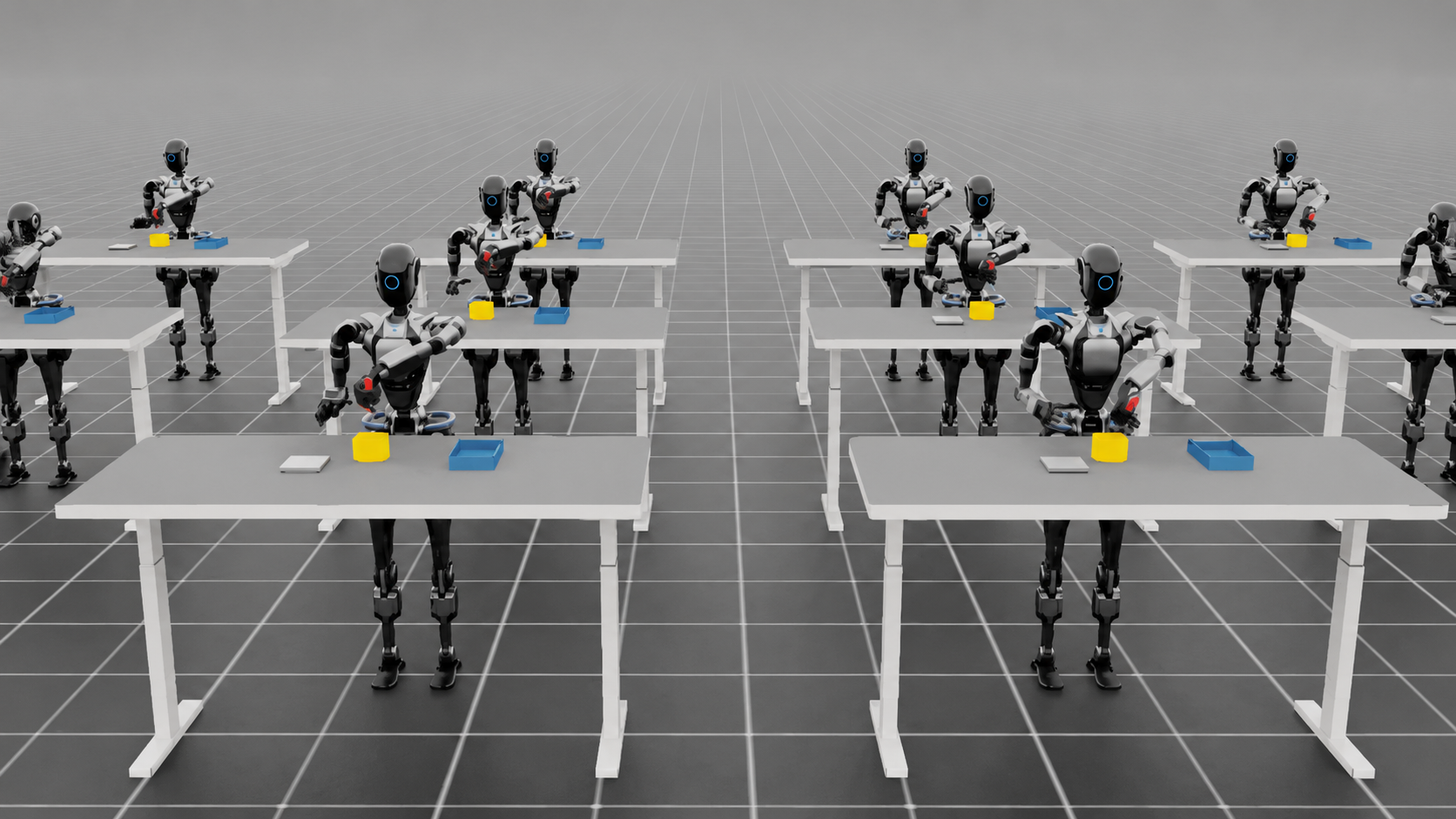
The Rise of Physical AI: Robotics Market Poised for $150B Milestone
Physical AI is moving artificial intelligence beyond screens and into machines that can perceive, reason, and act. Foundation models, simulation, and lower-cost deployment are accelerating robotics across industry. The long-term impact may be greater productivity, cheaper goods and services, and a major reduction in the cost of living.
-
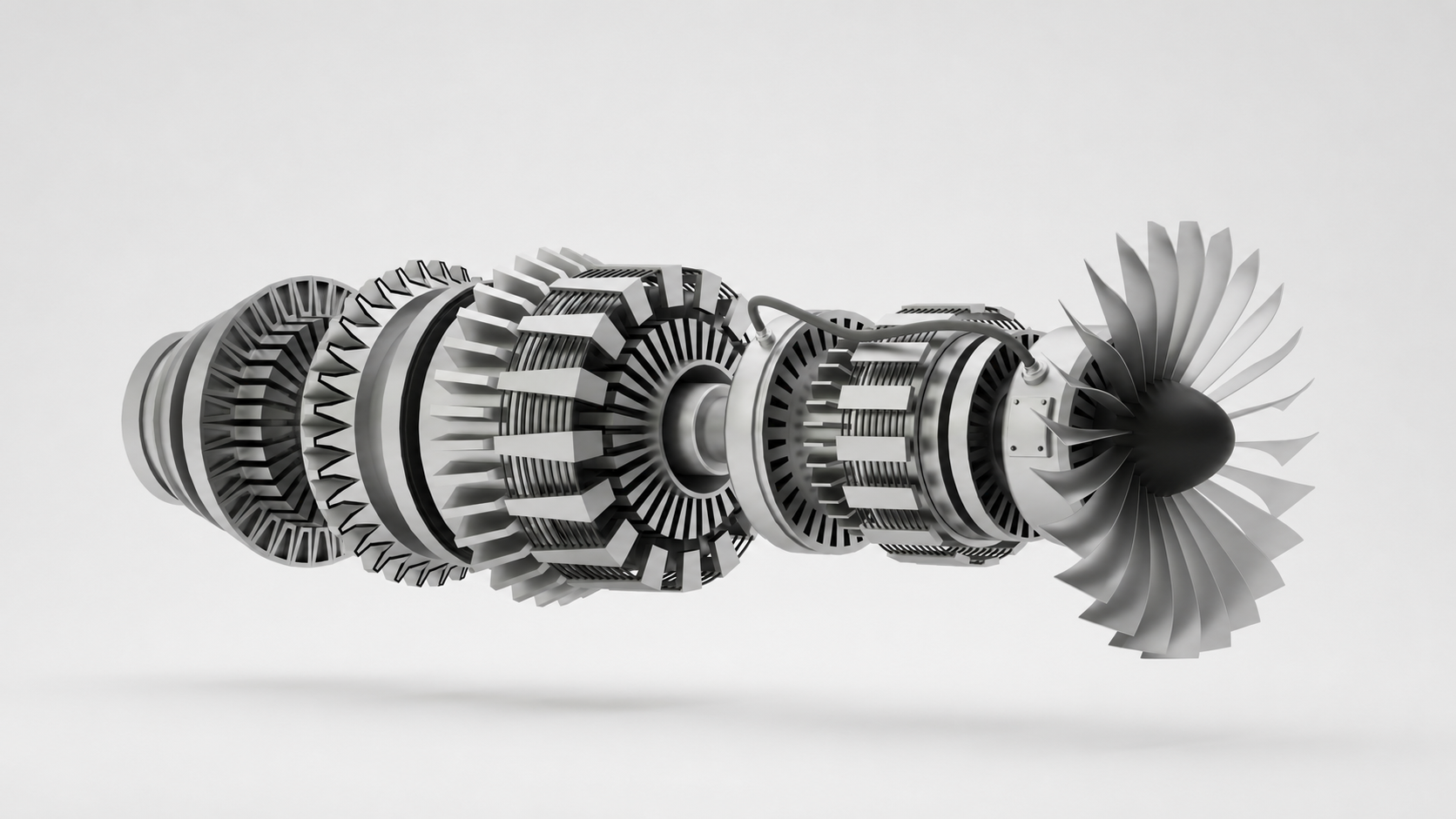
The Turbine Bottleneck
AI data centers are accelerating demand for gas-fired power, but turbine production is concentrated among only a few manufacturers with years-long backlogs. The resulting shortage is raising costs, delaying projects, and revealing how the expansion of artificial intelligence increasingly depends on heavy industrial infrastructure.
-

PJM Overhauls Its Interconnection Queue to Prioritize Ready-to-Build Energy Projects
PJM is replacing its first-come, first-served interconnection queue with a system that prioritizes viable, ready-to-build energy projects. By filtering out speculative proposals, the grid operator aims to reduce delays, accelerate new power generation, and support the surging electricity demand created by AI data centers.
-

FERC Targets the Interconnection Bottleneck Holding Back America’s Energy and AI Expansion
FERC is pressuring six regional grid operators to reform years-long interconnection backlogs that are delaying new energy projects and data center expansion. By prioritizing viable, construction-ready projects over speculative proposals, regulators hope to accelerate grid access and remove a growing bottleneck for America’s energy and AI ambitions.
-

The Problem With Giant Data Centers
Across the United States, communities are delaying giant data center projects as concentrated AI infrastructure strains local grids, water supplies, and public support. The backlash reveals that the next phase of AI growth may depend less on better models than on where—and how—compute is physically built.
-

Semiconductor
The material and electronic basis of modern computation A semiconductor is a solid material whose ability to conduct electrical current falls between that of a conductor and an insulator. Its place on this spectrum depends on how easily electrons can move through the material. Conductors, such as copper, aluminum, and gold, contain a high density…
-

Cybersecurity Enters the AI Age
OpenAI’s GPT-5.5-Cyber signals a new era of autonomous cybersecurity. As AI-powered attacks outpace human defenders, intelligent security agents are beginning to continuously identify vulnerabilities, generate patches, and protect the digital infrastructure underpinning modern civilization.
-

Separating Intelligence, Understanding, and Consciousness
Artificial intelligence has forced us to separate intelligence, understanding, and consciousness. Distinguishing capability, meaning, and subjective experience provides a clearer framework for evaluating AI and understanding debates about machine minds.
-

The Landscape of Intelligence
Intelligence is not a single trait but a multidimensional landscape of specialized problem-solving strategies. From slime molds and bees to octopuses, cells, and AI, evolution has repeatedly discovered different architectures for solving challenges, revealing that intelligence emerges in many forms—not just brains like our own.
-
The Rise of AI Model Espionage
Anthropic’s allegations against Alibaba highlight a growing vulnerability in frontier AI: intelligence itself can be extracted through large-scale interaction. As model distillation becomes a strategic threat, AI labs will increasingly restrict access, transforming frontier models from openly accessible software into tightly protected geopolitical assets.
-

U.S. Blocks Global Access to Anthropic’s Frontier AI
The U.S. government’s export restrictions on Anthropic mark a turning point in AI governance. As frontier models become strategic national assets, federal authorities are beginning to control who can access the world’s most powerful AI systems.
-

OpenAI’s Full-Stack AI Strategy
OpenAI’s custom Jalapeño chip marks its evolution into a full-stack AI company. By designing hardware and software together, the company aims to dramatically reduce the cost of inference, accelerate AI deployment, and reshape the economics of intelligence.
-
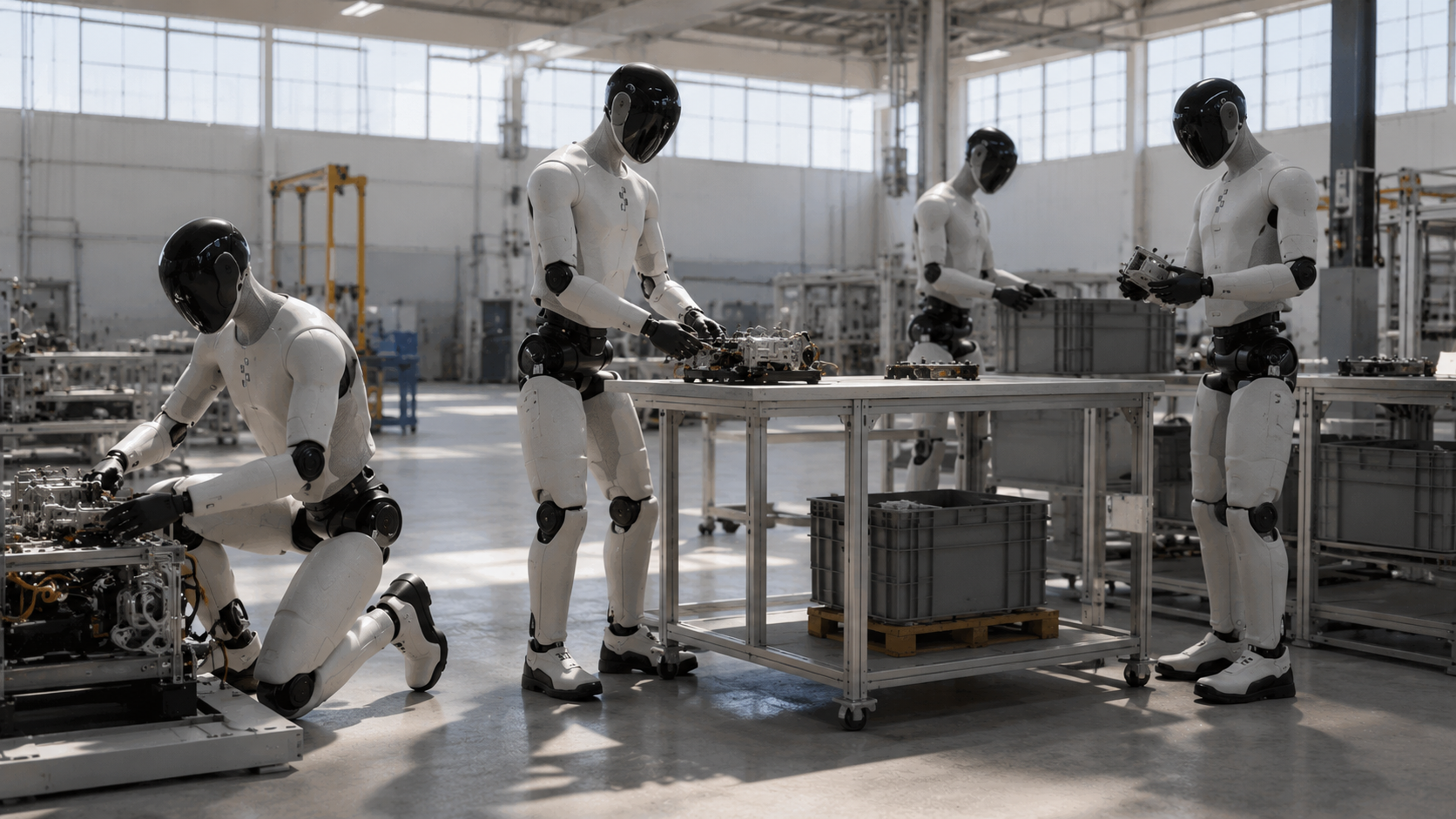
The First Robot-Majority Company
Figure AI’s humanoid robots now outnumber its human employees, marking a historic milestone in industrial automation. More importantly, the company’s robots have demonstrated the reliability needed for real-world deployment, offering a glimpse into a future where manufactured labor reshapes economic growth.
-

Europe’s Race to Build AI Infrastructure
Europe is building 35 NVIDIA-powered AI supercomputers across 23 countries, marking a major shift toward sovereign compute and positioning AI infrastructure as a strategic resource for scientific research, economic competitiveness, and national security.
-

The End of Unregulated AI Releases
The End of Unregulated AI Releases Why GPT-5.6 marks the beginning of a new federal review process for frontier models June 25, 2026—OpenAI announced that it is delaying and staggering the release of its new GPT-5.6 model at the direct request of the Trump administration. This isn’t just a phased rollout to manage server demand.…
-

AI’s Copyright Reckoning Deepens
Nearly 400 local newspapers have sued OpenAI and Microsoft, challenging the data practices behind modern AI. The case could reshape how frontier models access, license, and monetize the human knowledge they depend on.
-

Sodium Batteries and the Future of Grid Storage
CATL’s commercial-scale sodium-ion batteries mark a major milestone in grid energy storage. By reducing dependence on lithium and enabling cheaper, more scalable renewable energy storage, sodium-ion technology strengthens the electrical foundation for AI, robotics, and data centers, helping build the resilient, high-energy infrastructure required for an increasingly electrified civilization.
-

When the AI Builds the AI
Anthropic recently revealed that its Claude AI now autonomously writes more than eighty percent of the company’s merged codebase. By handling complex software architecture over multi-day stretches, the model has dramatically accelerated engineering output. We are officially witnessing the real-time beginning of artificial intelligence recursively improving its own development.
-

Artificial Consciousness and Engineered Matter
What if consciousness depends on physical properties that cannot be fully captured by computation alone? Artificial consciousness may require engineered matter, with AI serving as the tool that helps discover it.
-

Recursive Development Loops and the Alignment Problem
What happens when AI helps build AI? As AI systems increasingly contribute to coding, evaluation, scientific discovery, and alignment research, the challenge of alignment shifts from a problem of control to a problem of trust.
-

Animal Consciousness and the Convergence of Evidence
How can we know whether animals are conscious? The strongest case emerges from the convergence of evidence that many animals perceive, remember, plan, feel, and respond to the world in ways that suggest subjective experience.
-

The Mind-Body Problem
The mind-body problem explores the relationship between conscious experience and the physical brain. It lies at the heart of debates about the nature of consciousness, including whether subjective experience can exist in non-human animals and artificial intelligence.
-

Introducing Recurgence
Exploring the evolution of intelligence We’re entering a period of extraordinary change. Advances in artificial intelligence, robotics, computing, and science are transforming how we understand ourselves and the future we’re creating. At the same time, some of the deepest scientific and philosophical questions remain unresolved. What will artificial intelligence become? Can increasingly capable systems be…